
The Volkswagen Golf’s DSG gearbox is quick, smooth and efficient when everything is working properly. The trouble is that early warning signs can be easy to dismiss. A slight shudder when leaving the lights may feel like a minor annoyance, but it can also be the first sign of clutch wear, a pressure problem or a failing mechatronic unit.
That does not mean every jerky Golf needs a new gearbox. The important part is finding out what is actually causing the problem before approving an expensive repair.
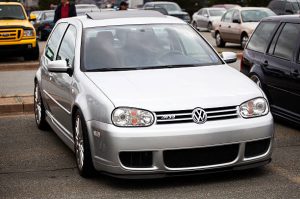
Is every jerky gear change a DSG failure?
No. A DSG is a dual-clutch transmission rather than a conventional automatic. At low speeds, it is effectively engaging and disengaging clutches for you, so some clutch feel can be normal, particularly during parking or slow hill starts.
What is not normal is a new or worsening shudder, a long delay when selecting Drive or Reverse, engine revs rising without matching acceleration, or the gearbox dropping into limp mode.
Pay attention to when the problem happens. A Golf that only shifts firmly for the first minute on a cold morning may have a different issue from one that shudders badly after 30 minutes in traffic. Useful details include whether the gearbox is hot or cold, which gear is affected and whether the dashboard warning appears at the same time.
Which Golf DSG gearboxes cause the most concern?
Volkswagen has fitted several DSG versions to the Golf. The two owners hear about most often are the seven-speed DQ200 and six-speed DQ250.
The DQ200 uses dry clutches and was commonly fitted to lower-output petrol models. It is lighter and efficient, but earlier units developed a reputation for clutch shudder, hydraulic pressure faults and mechatronic problems.
The DQ250 uses wet clutches running in transmission fluid. It is generally found in higher-output models such as some Golf GTIs and is usually more tolerant of heat and torque, provided the correct fluid and filter servicing has been completed. Later Golfs use additional DSG variants, so the gearbox code matters more than simply knowing the model year.
Australian owners should also check their VIN for outstanding campaigns. A 2019 Australian recall covered 57,376 Volkswagen vehicles built from 2008 to 2015 after a transmission pressure accumulator could crack and cause a loss of hydraulic pressure. A separate 2020 recall covered 16,098 vehicles fitted with a seven-speed dual-clutch gearbox that could lose fluid and drive pressure.
VW Golf DSG symptoms you should not ignore
The following symptoms do not confirm a particular failed part, but they justify a proper transmission inspection.
| Symptom | Possible fault |
|---|---|
| Shuddering when accelerating from a stop | Worn clutch pack, incorrect adaptation or flywheel wear |
| Delay when selecting Drive or Reverse | Mechatronic pressure fault, actuator problem or clutch wear |
| Slipping or engine revs flaring between gears | Clutch wear, incorrect pressure or internal gearbox wear |
| Flashing gear display or transmission warning | Stored control-unit, sensor or hydraulic fault |
| Loss of odd or even gears | Mechatronic actuator, selector or clutch-side problem |
| Gearbox enters limp mode | Pressure loss, overheating, sensor fault or mechatronic failure |
Grinding, banging, complete loss of drive or an inability to engage a gear should be treated as urgent. Continuing to drive may turn a repairable clutch or control fault into internal gearbox damage.
What normally goes wrong inside the DSG?
Mechatronic unit failure
The mechatronic unit combines the transmission computer, hydraulic controls, pressure system and shift solenoids. When it fails, the gearbox may select gears harshly, lose hydraulic pressure or stop engaging altogether.
A mechatronic fault does not automatically mean the complete gearbox needs replacing. Depending on the failure, a specialist may be able to repair the valve body, replace an internal component or install a rebuilt unit.
Clutch pack wear
DSG clutches wear in much the same way as a manual clutch. Stop-start traffic, repeated creeping and holding the vehicle on a hill using the accelerator create additional heat and wear.
A worn clutch commonly causes shuddering during take-off. In more advanced cases, the engine speed rises but the car hesitates before moving.
Sensors, wiring and software
Some expensive-looking DSG problems turn out to be speed sensors, damaged wiring, corroded connectors or incorrect clutch adaptation values. Battery replacement, control-module updates and previous gearbox work can also affect the stored settings used to control clutch engagement.
That is why parts should not be ordered from a fault code alone.
What do P0722, P0730 and P17BF mean?
These are among the codes that may appear during a Golf DSG diagnosis:
- P0722 generally relates to a missing output-speed sensor signal.
- P0730 indicates that the calculated gear ratio does not match the expected ratio.
- P17BF commonly points to a hydraulic pressure or pump-protection fault on certain seven-speed DSG units.
Scan-tool descriptions vary, and the same code can have more than one underlying cause. For example, P0730 could result from clutch slip, incorrect pressure, sensor data or internal wear. The code starts the diagnosis. It does not finish it.
What should a proper DSG diagnosis include?
A workshop should record all fault codes and freeze-frame data before clearing anything. The technician should then road-test the Golf while monitoring clutch slip, hydraulic pressure, transmission temperature, selected gear and actuator feedback.
The inspection should also include the battery voltage, wiring, connectors, fluid condition and service history. Where appropriate, the workshop may complete software updates, basic settings or clutch adaptation before recommending mechanical work.
Be cautious if a workshop recommends a complete mechatronic unit or gearbox based only on a quick scan.
How much does a Golf DSG repair cost in Australia?
Prices depend on the DSG version, parts availability and whether new, rebuilt or used components are fitted. These figures should be treated as broad guides rather than fixed quotes.
| Repair | Indicative cost |
| Software update or clutch adaptation | $150–$350 |
| Sensor or wiring repair | $200–$800 |
| Clutch pack replacement | $1,800–$3,500 |
| Mechatronic repair or replacement | $2,000–$4,500 |
| Complete gearbox replacement | $5,000–$8,000+ |
In one Golf case, complete mechatronic failure resulted in a repair quote of approximately $6,000. At that point, the owner had to compare the repair cost with the car’s market value rather than approving the work automatically.
A useful rule is to consider the vehicle’s value, kilometres, general condition and upcoming repairs together. Spending $4,000 on an otherwise excellent late-model Golf may make sense. Spending the same amount on a high-kilometre car with cooling, suspension and electrical issues may not.
Can regular servicing prevent DSG problems?
Servicing cannot prevent every electrical or mechanical failure, but it reduces avoidable wear. Volkswagen Australia lists standard Golf servicing at 15,000 km or 12 months, whichever comes first. DSG fluid and filter requirements vary by gearbox, and many wet-clutch versions have additional transmission service intervals, so owners should confirm the schedule using the VIN and gearbox code rather than relying on general advice.
Avoid prolonged creeping in traffic, use the brake rather than the accelerator to hold the car on a hill, and have any new shudder or engagement delay investigated early.
Before buying a used Golf, test it both cold and fully warmed up. Include reverse parking, slow take-offs, hills and stop-start driving. Ask for invoices showing previous DSG servicing, clutch work and mechatronic repairs. You should also check the VIN through the Australian Government vehicle recall notice.
What should you do if your Golf is already showing symptoms?
Do not approve a gearbox replacement until the fault has been properly tested. Ask for the complete diagnostic report, the exact gearbox code, recorded fault codes and an explanation of how the workshop ruled out wiring, sensors, software and clutch adaptation.
If your Volkswagen Golf is shuddering, slipping, showing a transmission warning or refusing to engage a gear, contact our team with the model, year, kilometres and any available fault codes. We can help you understand the likely repair path and whether repairing or selling the vehicle is the more practical option.